Scheduling
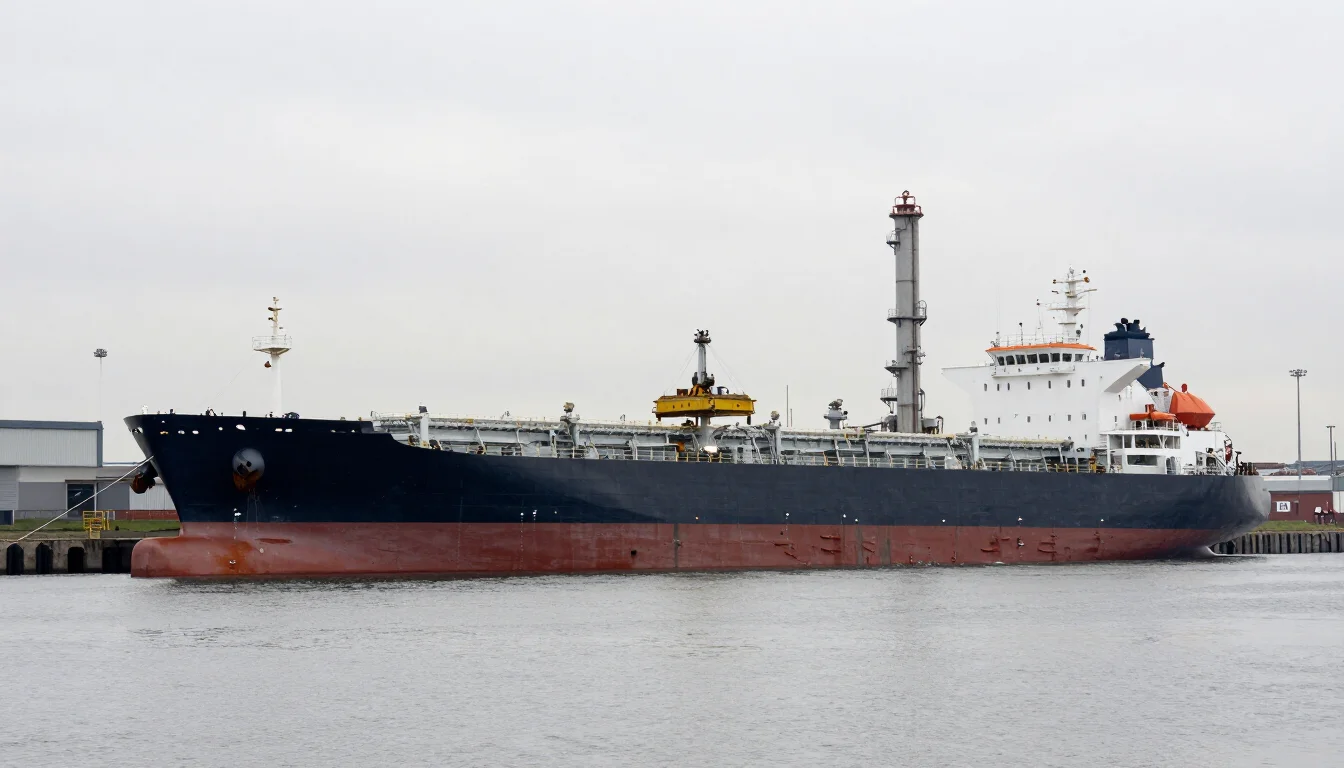
Integrated scheduling of berths, pipelines, rail and truck slots aligns capacity with customer nominations.
One schedule across every mode
Scheduling is the operational planning that aligns the terminal’s capacity — berths, pipelines, rail and truck slots — with what customers need, when they need it. Done well, it keeps product moving without queues or conflicts.
Integrated scheduling of berths, pipelines, rail and truck slots aligns capacity with customer nominations. One scheduling system across every mode avoids conflicts and keeps product moving on plan.
Scheduling turns customer nominations into an executable plan, coordinating the terminal’s assets and the customer’s transport so that receipt, storage and dispatch happen in the right sequence.
Key capabilities
Integrated Slots
Berths, pipelines, rail and truck on one schedule.
Nominations
Capacity aligned to customer nominations.
Conflict Avoidance
Coordinated slots prevent clashes.
Timing Control
Receipt and dispatch sequenced on plan.
Capacity across every mode
Scheduling covers the terminal’s capacity and the customer’s transport together.
- Berths and vessel slots for marine movements
- Pipeline receipt and dispatch windows
- Rail wagon slots and loading times
- Truck loading and unloading slots
- Tank availability for receipt and dispatch
- Blending and processing windows
From nomination to plan
Scheduling converts customer nominations into a coordinated, executable plan.
Customers submit nominations — what product, what volume, what mode, what timing. Scheduling matches those nominations to available capacity across every mode, producing a plan that avoids conflicts and keeps product moving.
Frequently asked questions
How do I book a movement?
Submit a nomination to our customer operations team with your product, volume, mode and timing. Scheduling matches it to available capacity and confirms the plan with you.
How are conflicts between movements avoided?
Berths, pipelines, rail and truck slots are scheduled together on one system, so conflicts across modes are identified and resolved before they affect operations.
Can scheduling accommodate changes?
We work with customers to accommodate changes where capacity allows. Contact the customer operations team as early as possible to adjust a scheduled movement.