Marine-related energy logistics
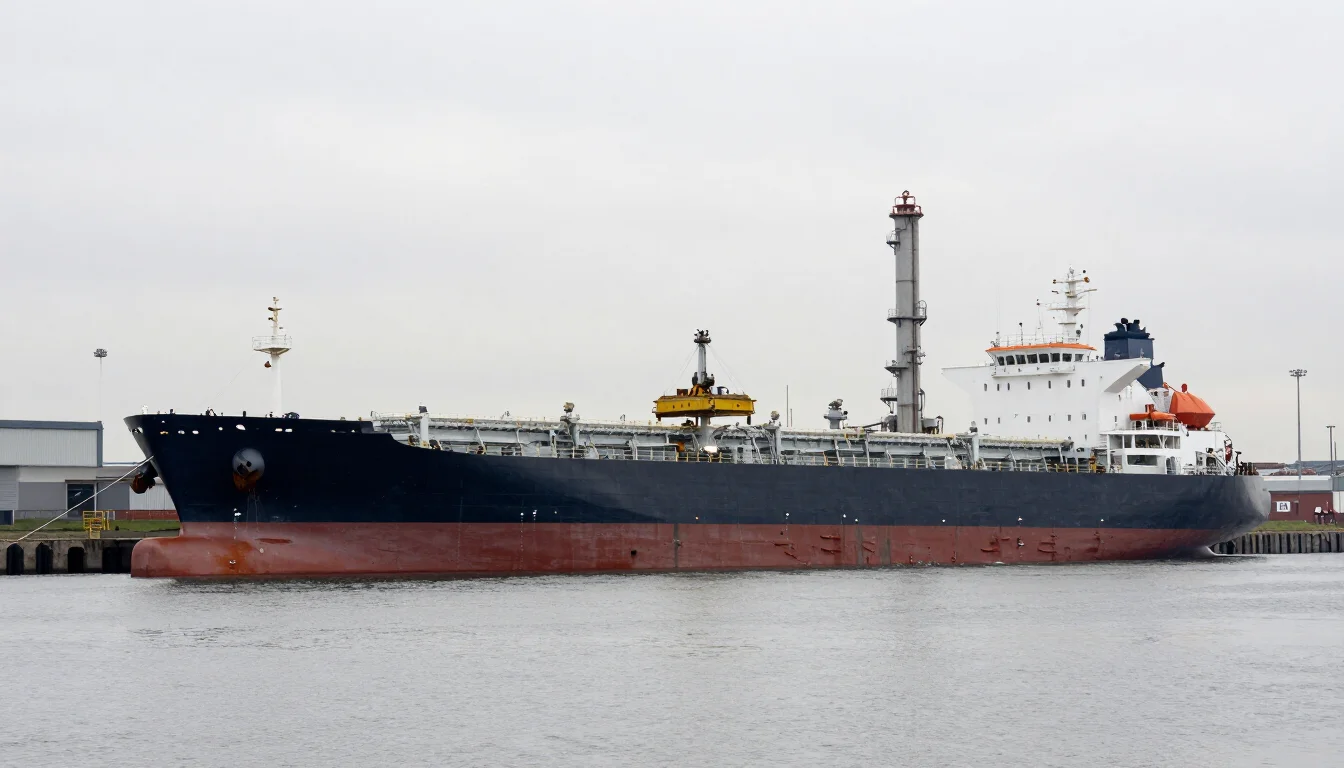
Through strategic terminal relationships, we can support marine-related energy logistics where applicable, including vessel scheduling, product transfer planning, loading and unloading coordination, documentation, safety checks, measurement, and operational monitoring.
Connecting ships and storage
Marine movements are where the terminal meets the ocean. A tanker arriving at a berth must be scheduled, safely moored, connected, loaded or unloaded, measured, documented and released — all under tight safety and environmental controls and often against a narrow tidal and weather window.
Where applicable through our terminal relationships, we support these marine-related energy logistics activities. The scope can include vessel scheduling, product transfer planning, loading and unloading coordination, documentation, safety checks, measurement and operational monitoring.
Marine operations are governed by recognised safety guidance and port requirements, and every movement is coordinated with the vessel, the port and the customer so that product transfers are accurate, accountable and safe.
Key capabilities
Vessel Scheduling
Vessel scheduling and product transfer planning coordinated through strategic terminal relationships.
Loading & Unloading
Coordination of loading and unloading operations with safety checks and operational monitoring.
Measurement
Measurement and documentation supporting accurate, accountable marine product movements.
Safety Checks
Safety checks and operational monitoring throughout every marine-related energy logistics activity.
From arrival to release
A marine movement follows a disciplined sequence, with safety and measurement at every stage.
- Vessel scheduling and berth allocation aligned to customer nominations
- Pre-arrival checks, mooring and safe connection to the berth
- Product transfer under controlled procedures with continuous monitoring
- Sampling, gauging and measurement for accurate custody figures
- Documentation, customs support and safe disconnection
- Departure coordination with the vessel and port
Marine safety built in
Marine operations follow recognised safety guidance and port-authority requirements.
Vessel and berth access is governed by marine security requirements, and product transfers follow international safety guidance for oil and gas tanker operations. Safety checks, operational monitoring and emergency preparedness run through every marine movement.
Frequently asked questions
Do you operate your own berths and jetties?
Marine-related services are supported through strategic terminal relationships. The berths, jetties and marine facilities available depend on the partner arrangement at each location. We confirm capabilities with customers before any commitment.
What marine activities can you support?
Where applicable, the scope can include vessel scheduling, product transfer planning, loading and unloading coordination, documentation, safety checks, measurement and operational monitoring. Specific services depend on the facility and partner.
How are marine transfers measured?
Marine product movements are supported by sampling, gauging and custody-transfer measurement, with documentation that reconciles the figures for both parties.
What safety standards apply to marine operations?
Marine operations follow recognised international safety guidance for oil and gas tanker operations, along with port-authority and marine-security requirements. Safety checks and operational monitoring apply throughout.